Hawa Mahal
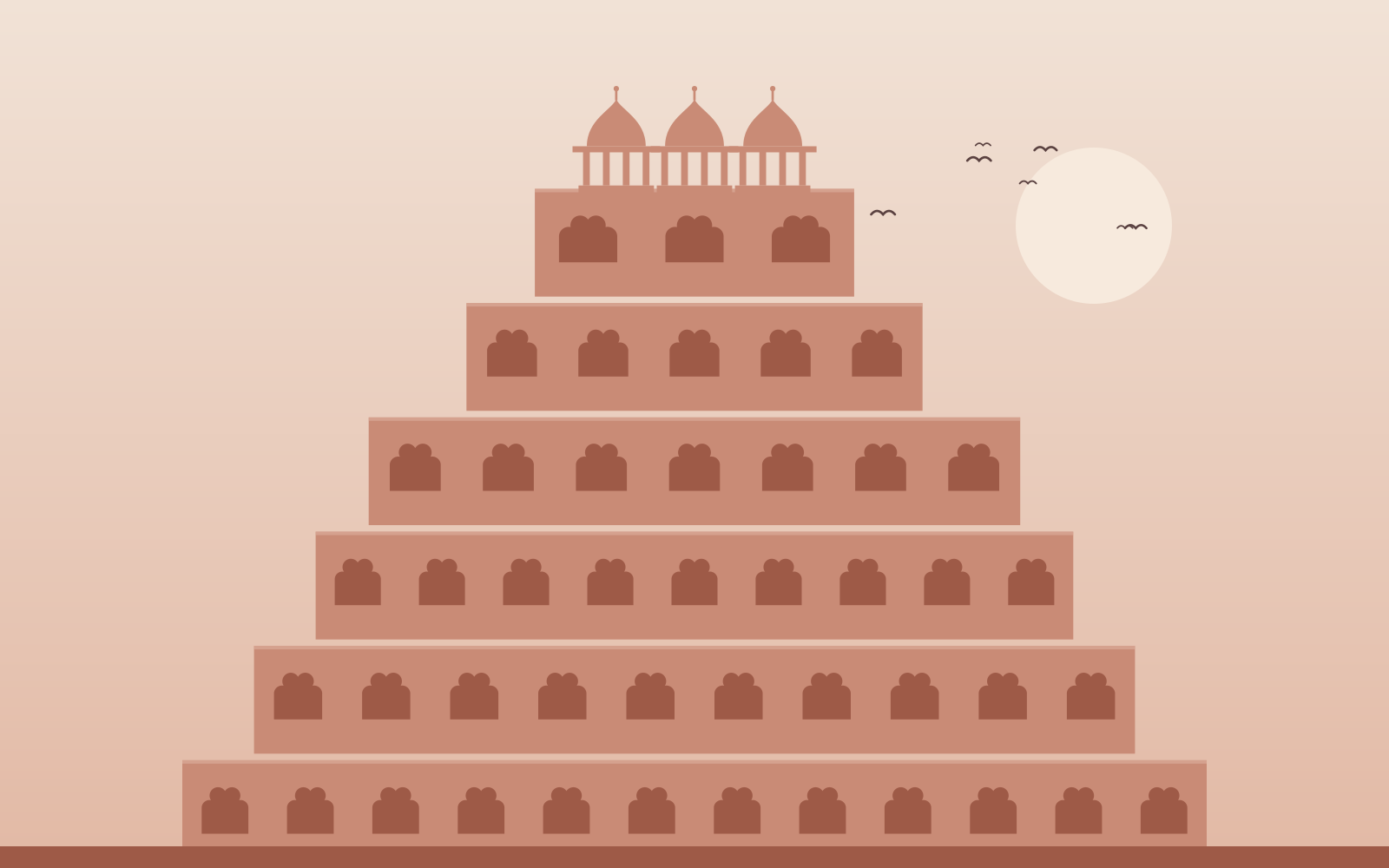
The honeycomb façade of the 'Palace of Winds' rises above Badi Chaupar — built so royal women could watch street life unseen.
ArchitectureWalled city
जयपुर
Jaipur is a city built on a plan — wide bazaars, ordered blocks and an astronomer-king's observatory — yet it is the unplanned moments that stay with you: a lassi in a steel tumbler, a block printer's rhythm in Sanganer, sunset light softening the walled city's terracotta walls.
A planned eighteenth-century city of bazaars, observatories and hill forts — and Rajasthan's most energetic cafe scene.
Arrive in the bazaars as shutters lift — the lanes of Johari and Bapu Bazaar are at their most legible before the traffic builds.
Amer, Jaigarh and Nahargarh form a chain along the Aravalli ridge. Choose one for depth rather than rushing all three.
The UNESCO-listed observatory is best understood with a guide or the audio tour — the instruments are working scientific tools, not sculpture.
Both towns have long hand-printing traditions. Many workshops welcome visitors who ask first.
Pyaaz kachori with chutney is the classic Jaipur breakfast. Locals will happily argue over where it is best.
Rooftops in and around the walled city frame the evening skyline of domes, kites and pigeons.
The honeycomb façade of the 'Palace of Winds' rises above Badi Chaupar — built so royal women could watch street life unseen.
Part of the UNESCO 'Hill Forts of Rajasthan' listing: courtyards, mirror work and views over Maota Lake.

The royal complex and its neighbouring observatory sit at the heart of the walled city's plan.
A ridge-top fort with wide views over the city — a favourite for late afternoon light.
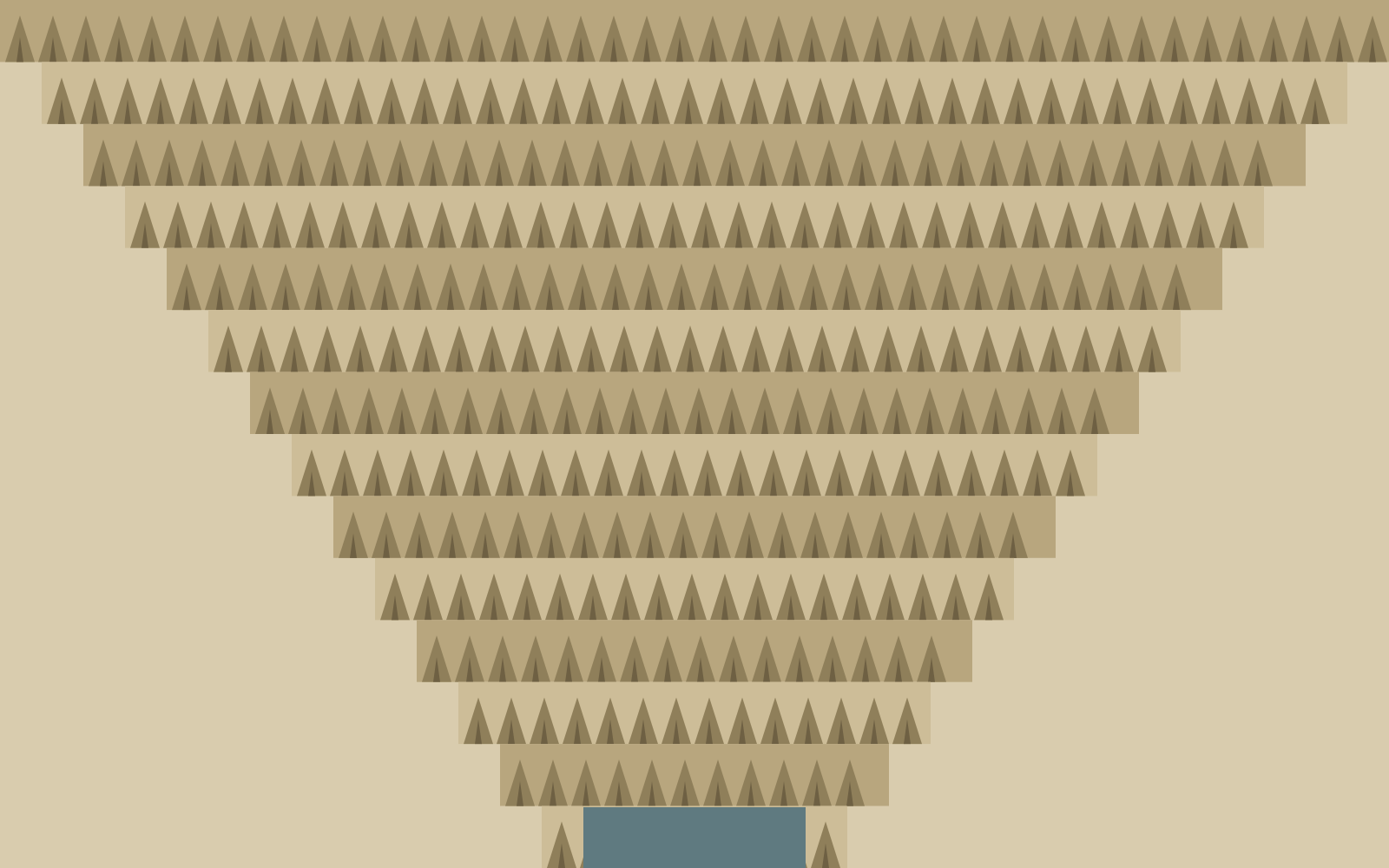
A geometric stepwell near Amer, its criss-crossing stairs a lesson in water architecture.
Rajasthan's oldest museum, housed in an Indo-Saracenic building in Ram Niwas Garden.
Jaipur has Rajasthan's liveliest cafe culture — specialty coffee roasters, garden cafes and rooftops facing the walled city.
We list individual cafes and restaurants only after verifying them. No paid rankings.
Read: Best cafes in Jaipur| Johari Bazaar | Jewellery and gemstones |
|---|---|
| Bapu Bazaar | Textiles, mojaris and everyday shopping |
| Tripolia Bazaar | Lac bangles and brassware |
| Sanganer & Bagru | Hand block-printed textiles |
| Blue pottery workshops | Quartz-based glazed ceramics |
Founded in 1727 by Maharaja Sawai Jai Singh II, Jaipur was laid out in a grid of blocks and broad bazaars. The walled city was inscribed as a UNESCO World Heritage Site in 2019; Jantar Mantar was inscribed in 2010 and Amer Fort in 2013 as part of the Hill Forts of Rajasthan.
Chand Baori stepwell

Salt lake and seasonal birdlife
A palace town in the hills
Painted haveli towns
A starting point. Check opening days and timings locally.
Planned bazaars, hill forts, an astronomer-king's instruments and Rajasthan's most energetic food and cafe scene. Here's how to see Jaipur with curiosity rather than a checklist.
Jaipur's cafes have become places to read, work, meet and linger. This is a guide to the kinds of cafe the city does well — and how to find the ones that suit you.
Jaipur sits at the centre of a ring of remarkable places — salt lakes, stepwells, tiger forests, painted towns and pilgrim lakes. Here's how to choose your weekend.
| Getting there | Jaipur International Airport (Sanganer) and Jaipur Junction railway station connect the city to most of India. |
|---|---|
| Getting around | App-based cabs and autorickshaws are easy to find. Walking is the best way to explore the walled city. |
| Best time | October to March is the most comfortable. April to June is very hot. The monsoon (July to September) brings greenery and festivals like Teej. |
| Dress | Light layers, covered shoulders for temples, comfortable walking shoes. |
Last reviewed 23 November 2026. Information changes; please confirm timings and access locally.
Clear answers to the questions travellers ask most.
Jaipur is famous for its planned walled city, Hawa Mahal, Amer Fort, Jantar Mantar, City Palace, bazaars for jewellery and textiles, block printing and blue pottery, and food such as pyaaz kachori and ghewar.
Two full days cover the walled city and Amer Fort. Three to four days lets you add Nahargarh, craft towns like Sanganer or Bagru, museums and cafes.
Walk the walled city bazaars, explore Amer Fort, visit Jantar Mantar and the City Palace, watch the sunset from Nahargarh, see block printing in Sanganer or Bagru, and eat a kachori breakfast.
Stay in or near the walled city for atmosphere, or in C-Scheme, Bani Park and Civil Lines for quieter heritage hotels and easy access to cafes.
Free tools that run in your browser — no sign-up, no tracking. Build an itinerary, estimate a budget and pack for the season.
Discover places, experiences, stories, food and culture worth exploring across Rajasthan.
Occasional letters, no spam. See our privacy policy.