Jodhpur Travel Guide: Exploring the Blue City, Its Streets and Stories
From Mehrangarh's ramparts, Jodhpur looks like a cubist painting in blue. Down in its lanes it is louder, warmer and hungrier. Here's how to experience both.
In this guide (16 sections)
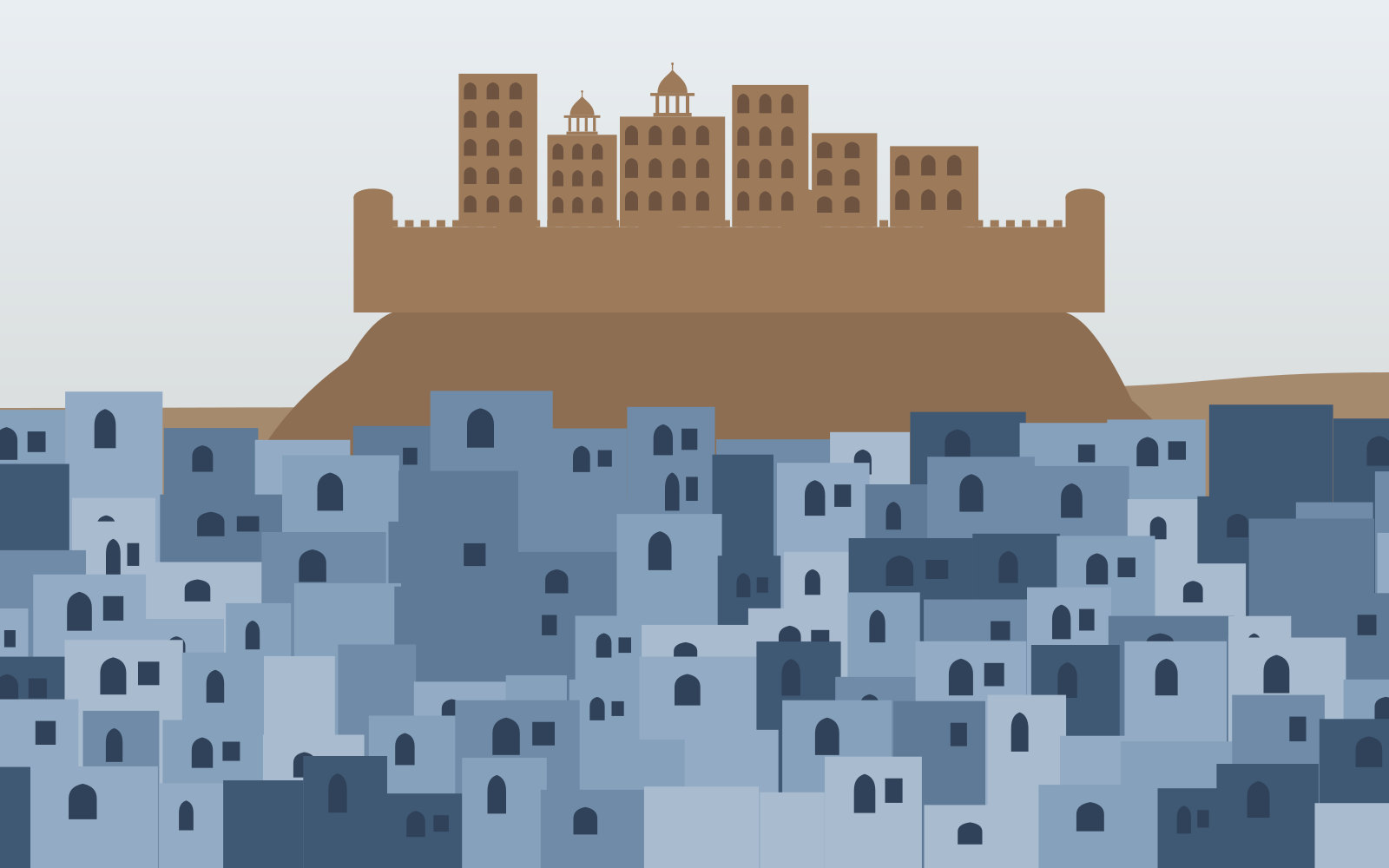
There is a moment, climbing the ramp to Mehrangarh's upper gates, when Jodhpur reveals itself. Below the fort's sheer walls, the old city spreads in a jumble of cubes washed in every shade of blue — sky, cornflower, indigo, faded denim. It is one of the great urban views in India, and it gives the city its nickname.
But Jodhpur is not a view to be consumed from above. Its life is in the lanes: chai stalls and scooters, temple bells and spice sacks, and some of Rajasthan's best street food.
Jodhpur, Rajasthan's second-largest city, was founded in 1459 by Rao Jodha as the capital of Marwar. Its highlights are Mehrangarh Fort, the blue old city, Jaswant Thada, the Clock Tower market, Toorji ka Jhalra stepwell and Umaid Bhawan Palace. Two days is ideal.
The Blue City
Why blue? Ask five people in Jodhpur and you may get five answers. Blue is said to have marked the homes of Brahmin families; others say indigo-tinted lime wash kept houses cooler or deterred termites. Whatever its origin, the colour spread across neighbourhoods like Brahmpuri, below the fort.
The best way to see it is on foot. Start at the fort and walk downhill through the lanes towards the Clock Tower, or ask your guesthouse for a route.
The blue lanes are people's homes, not a stage set. Keep voices low, don't climb onto rooftops or steps without permission, and ask before photographing residents or doorways where people are sitting.
Mehrangarh and the forts
Mehrangarh Fort
Rao Jodha began Mehrangarh on a rocky hill called Bhaurcheeria, and successive Rathore rulers expanded it into a fortress-palace. A series of gates, some still bearing cannonball marks, leads to palace courtyards of finely carved sandstone. The fort's museum, managed by a trust, is among the best in India: palanquins and howdahs, arms, textiles, paintings and period rooms like the Phool Mahal and Sheesh Mahal.
Plan at least half a day. An audio guide is worth taking.
Jaswant Thada
A short distance from the fort, this white marble cenotaph was built in memory of Maharaja Jaswant Singh II. It's serene and luminous, with views back to Mehrangarh and over a small lake.
Rao Jodha Desert Rock Park
Below the fort, a restored rocky landscape planted with native desert species. Its walking trails are a good introduction to the ecology of the Thar.
The old city
The walled old city spreads below Mehrangarh. Its anchor is the Ghanta Ghar (Clock Tower) and Sardar Market, a bustling bazaar of spices, textiles, vegetables and household goods. Around it, lanes lead to havelis, temples and stepwells.
Toorji ka Jhalra
An eighteenth-century stepwell in the old city, restored in recent years to its geometric sandstone glory. It has become a gathering place surrounded by cafes and boutiques.
Markets
- Sardar Market — spices, dried fruit, textiles, everyday Jodhpur.
- Nai Sarak — textiles and bandhani.
- The furniture and handicraft district — Jodhpur is known for reproduction and vintage-style furniture. Inspect carefully, and assume pieces are new unless documented.
- Spice shops — ask to smell and taste before buying.
Architecture
Jodhpur's red and pink sandstone is carved into jaalis, jharokhas and brackets across the old city. Look up as you walk. Then contrast it with Umaid Bhawan Palace, completed in the 1940s for Maharaja Umaid Singh — a monumental Art Deco palace in sandstone that today combines a royal residence, a hotel and a museum.
Food
Jodhpur's snacks alone justify the trip.
- Mirchi bada — large green chillies filled with spiced potato, battered and fried. Eaten hot with chutney.
- Mawa kachori — a rich kachori filled with sweetened khoya and dipped in syrup.
- Pyaaz kachori — the savoury classic.
- Makhaniya lassi — thick, buttery lassi, often with saffron.
- Laal maas — Marwar's famous red mutton curry, traditionally associated with the Mathania chilli grown near the city.
- Ker sangri and bajre ki roti — desert staples.
Find snacks around the Clock Tower and in the old city; many sweet shops are long-established family businesses. Read more in our Rajasthani Food Guide.
Cafes
Jodhpur's cafes lean towards rooftops facing Mehrangarh and courtyard spaces near Toorji ka Jhalra. They make ideal resting points between the fort and the market.
Crafts
- Bandhani — tie-dye textiles.
- Dhurries — flat-woven rugs from villages like Salawas.
- Leather mojaris — hand-stitched footwear.
- Jodhpuri bandhgala — the tailored, high-collared jacket closely associated with the city.
See What to Buy in Rajasthan for buying tips.
Experiences
- A sunrise walk through the blue lanes.
- A Mehrangarh evening — the fort hosts events and festivals; the Rajasthan International Folk Festival (RIFF) has been held here in autumn. Check current dates.
- A Bishnoi village visit — the Bishnoi community is known for protecting trees and wildlife. Choose visits that are respectful and benefit the community.
- Stepwell hopping — Toorji ka Jhalra and other restored stepwells.
Day trips
- Osian — early medieval Hindu and Jain temples at the edge of the desert, including the Sachiya Mata temple.
- Mandore — the former capital of Marwar, with cenotaphs and temples in gardens.
- Bishnoi villages — rural Marwar and its conservation ethic.
- Salawas — dhurrie weaving.
- Khejarla and Rohet — heritage stays in the countryside.
Suggested itinerary
Day 1 — fort and old city. Mehrangarh at opening; Jaswant Thada; lunch near the fort; walk down through the blue lanes; Clock Tower and Sardar Market at dusk; mirchi bada for an evening snack.
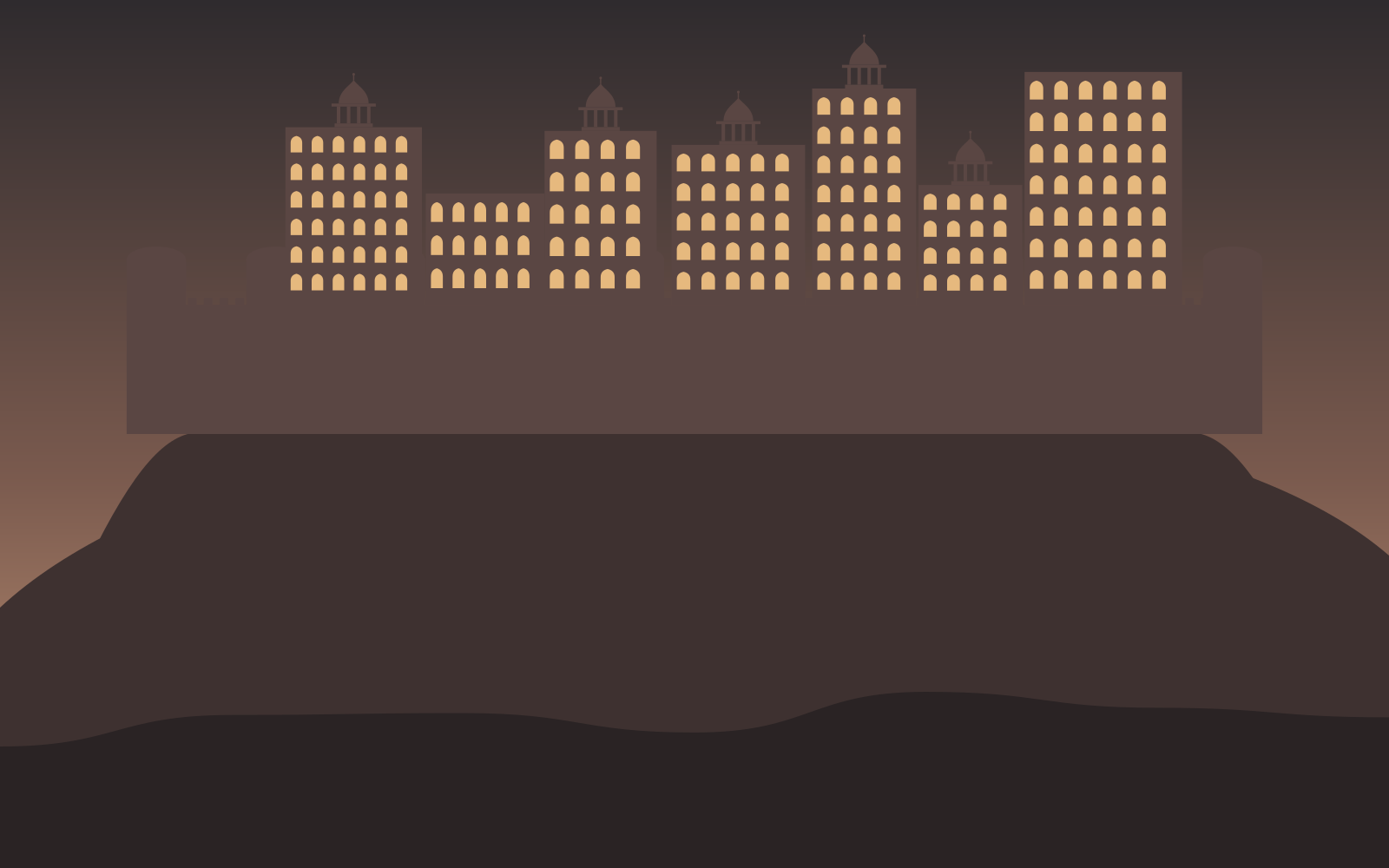
Day 2 — water, palaces and countryside. Toorji ka Jhalra in the morning light; Umaid Bhawan museum; afternoon Bishnoi village visit or Mandore Gardens; rooftop dinner facing the illuminated fort.
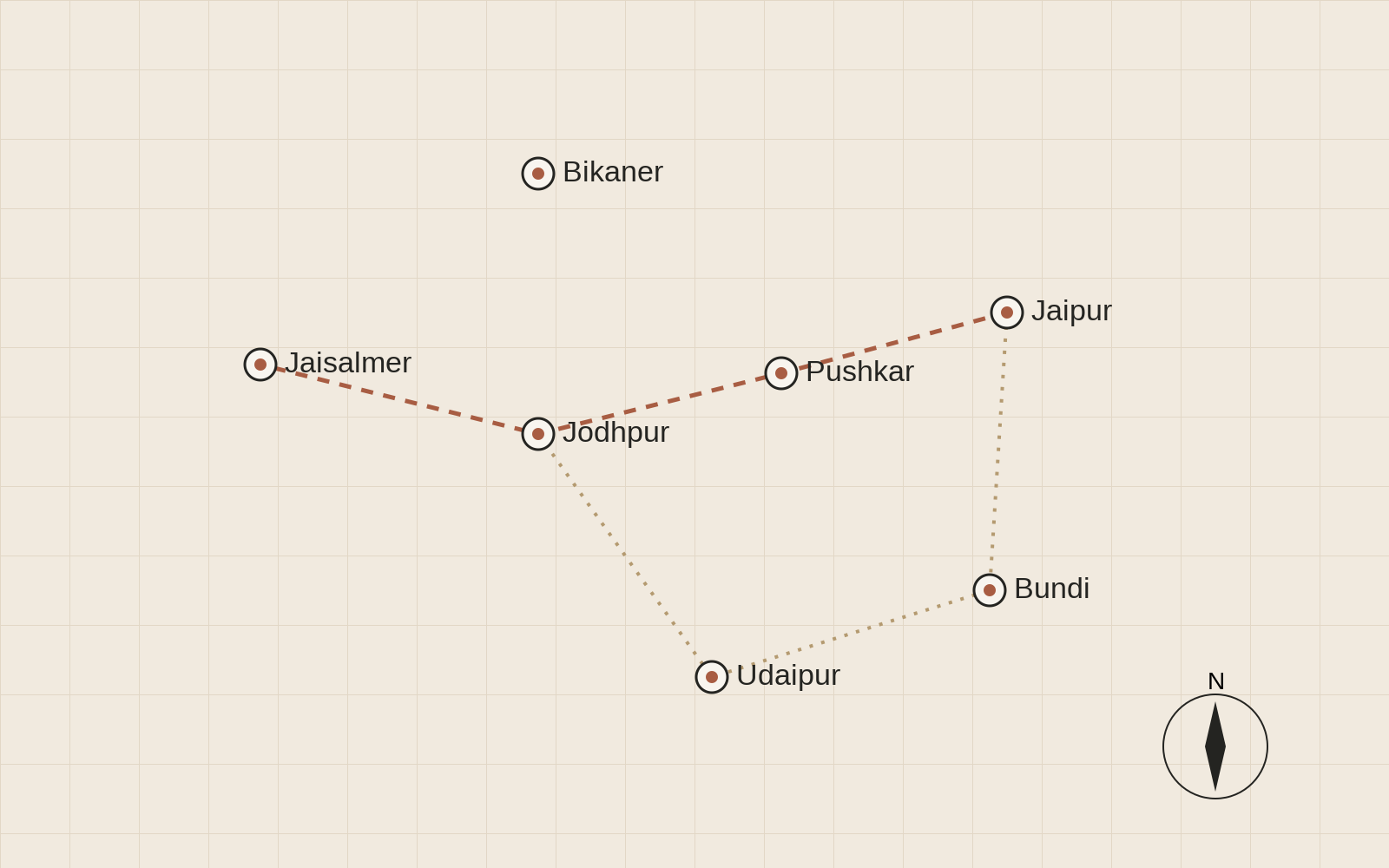
Add a third day for Osian, or use Jodhpur as the gateway to Jaisalmer on a Rajasthan road trip.
Where to stay
Your choice of neighbourhood shapes your experience of Jodhpur.
| Area | Good for | Bear in mind |
|---|---|---|
| Old city below the fort | Views, atmosphere, walking | Narrow lanes, steps, limited car access |
| Around the Clock Tower | Markets and food on your doorstep | Busy and noisy by day |
| Ratanada and newer areas | Quieter heritage hotels, space | You'll need transport into the old city |
| Countryside outside the city | Heritage stays, village life | Further from the sights |
Many guesthouses in the old city have rooftops facing Mehrangarh — often the best seat in Jodhpur at dusk.
Jodhpur through the seasons
- October to March: the best months. Clear days, cool evenings, and the main festival season.
- April to June: extremely hot. If you must visit, sightsee early and rest through the afternoon.
- July to September: the monsoon brings occasional rain and humid heat; Jodhpur receives far less rain than southern Rajasthan.
Photography tips
- The blue lanes are best in soft morning light, before harsh shadows set in.
- Mehrangarh's ramparts give the classic overview of the blue city; go early afternoon for even light on the houses or late afternoon for warmth.
- Toorji ka Jhalra looks its most geometric from the upper edges, in the morning.
- People — always ask first. Many residents are happy to be photographed; some are not.
Jodhpur with children
Mehrangarh's galleries, the zipline courses that have operated at the fort (check current status and age rules), the Rao Jodha Desert Rock Park trails and an evening at the Clock Tower market tend to work well for families. Plan for the heat and the fort's steep ramps.
Practical information
- Getting there: Jodhpur Airport and Jodhpur Junction railway station.
- Getting around: Walk in the old city; use autorickshaws for longer distances. The fort road is steep.
- Where to stay: Guesthouses in the old city for views and atmosphere; heritage hotels in quieter areas.
- When to go: October to March. Summer temperatures are extreme.
- Pace: Mehrangarh involves a lot of walking and steps; plan rest in the afternoon.
Frequently asked questions
Many houses in Jodhpur's old city are painted blue. Popular explanations include that blue originally marked Brahmin households, that it helps keep homes cool, and that indigo-tinted lime wash deterred insects. These are traditions and theories rather than settled history.
Two days is ideal: one for Mehrangarh, Jaswant Thada and the old city, and one for stepwells, markets, Umaid Bhawan and a countryside excursion.
Mirchi bada, mawa kachori, pyaaz kachori, makhaniya lassi and dishes like laal maas made with local Mathania chillies are Jodhpur specialities.
Yes. Mehrangarh is one of India's most impressive forts, and its museum galleries of palanquins, arms, paintings and textiles are exceptionally well presented. Allow at least half a day.
Popular excursions include the temples of Osian, Bishnoi villages, Mandore Gardens, the Rao Jodha Desert Rock Park and craft villages such as Salawas, known for dhurrie weaving.